
Can I Get a Molar Implant After 2.5 Years of Extraction?
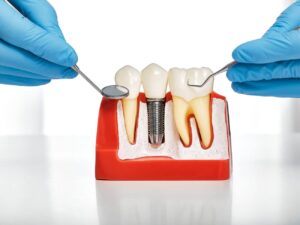
Around 2.5 years back you have taken off your lower or upper molar, in such a case most of the time dental implant can be done if there is enough healthy bone of the jaw and gum around the place of the missing tooth.
Since molars are the ones that do most of the heavy chewing, dentists usually examine bone volume by X‑rays or a 3D CBCT scan and can impose bone grafting or a sinus lift prior to the implant.
What Happens With Your Molar Area After 2.5 years?
The jawbone that was supporting the roots of the removed molar will get smaller over time because it is no longer stimulated by chewing forces. This shrinking of the bone can be more noticeable at the lower molars and sinuses in the upper jaw can “drop” slowly into the place of old molar thus leaving less bone for implant.
The gums can also reshape and adjacent teeth may lean or drift into the gap which can influence that how easily implant can be placed and how the final crown will touch the opposite tooth. Despite these changes, after a proper site examination many people are still candidates for a molar implant several years after extraction.
Is 2.5 years “too late” for a Molar Implant?
In general healthy adults, theoretically there is no expiration date for placing an implant even if it is a few years later. When it is around 2–3 years after extraction, a certain amount of bone loss is anticipated but still often there is enough bone for an implant, particularly if just one molar is missing and your bite is stable.
If the bone has reduced drastically then techniques like bone grafting or sinus lift can make the area as it was so that an implant can have a firm foundation and a safe load of chewing forces.
Special Considerations for Upper vs Lower Molars
Upper molars are attached to the maxillary sinus, a hollow air space, above the roots, and after a long time without a tooth, this sinus can grow bigger into the old socket. When there is no bone left, a sinus lift can raise the sinus floor with the addition of graft material making the depth adequate for a firm implant.
The lower molars generally have more dense bone but they also bear very high chewing forces, thus the implant’s diameter, length, and position are very important for the stability of the implant over time. In some cases, a graft may be suggested if a narrow ridge is to be widened or a defect caused by difficult extraction to be corrected, especially a few years after tooth removal.
Typical Assessment Steps in Clinic
At a clinic, the assessment generally starts with a complete oral and medical history examination, then digital X‑rays are taken followed by a CBCT scan of the molar region. These pictures reveal bone height and width, the position of the sinus, location of nerves (for lower molars), and any hidden infection, all of which determine whether an implant can be fixed right away or requires staged treatment.
When bone volume is good enough, the placing of an implant can be scheduled and done without the need for additional grafting, however, some dentists may still place a small graft around the implant to provide more support. When bone is lacking, your dentist may suggest bone grafting as a different stage or combining it with implant placement, depending on how far the bone loss is.
The Treatment Timeline After 2.5 years
Indeed, the treatment path is nearly the same as for regular implants, even if there has been a delay of a few years, but it may be necessary to have an extra grafting stage sometimes. In general, you can anticipate:
Assessment and planning: a thorough examination of the patient, X‑rays, CBCT, and discussion of the patient’s medical background and goals.
Bone graft and/or sinus lift (if necessary): the rebuilding of the area by the addition of bone material, followed by several months of healing.
Implant placement: under local anaesthetic, the insertion of a titanium implant into the molar site which has healed.
Healing and integration: typically 3–4 months or more for the implant to become one with the bone (osseointegration), occasionally even longer if extensive grafting has been done.
Crown placement: the fixing of a custom‑made molar crown to reinstate complete chewing function and cosmetic.
Whether or not a temporary tooth may be put in during the healing period, your dentist will let you know, especially if the missing tooth can be seen when you smile or if multiple teeth are being replaced.
Risks of Leaving a Molar Gap much Longer
It is true that a large number of people can live without one or more molars for years but this has a possibility of negative consequences for their oral health and the choice of treatments they will have in the future. The bone of the place can keep thinning and thus prolonging the treatment may make the grafting more complicated and sometimes costly. Neighboring teeth can tilt, the opposing tooth can overgrow the space, and chewing can be transferred to other areas which get worn faster and, thus, jaw joint problems can occur in a very gradual way.
Putting a molar implant in place can not only help bone retention but also stabilise your bite and make the process of cleaning and comfortable living easier especially if you compare it to leaving a long-term gap or using a removable partial denture.
When to speak to a Dentist
Maybe it is time for dental implant assessment when your molar has been removed about 2.5 years ago, and now you are experiencing difficulty in chewing on one side, food getting stuck or are simply concerned about the long-term jawbone loss.
Dental Implants Service in Popular Locations
Mini Dental Implants in Richmond
Dental Implants in Ealing
Mini Dental Implants in Ealing
Dental Implants in Hounslow
Mini Dental Implants in Hounslow
Dental Implants in Twickenham
Mini Dental Implants in Twickenham
Dental Implants in Feltham
Mini Dental Implants in Feltham
Dental Implants in Brentford
Mini Dental Implants in Brentford
Dental Implants in Southall
Mini Dental Implants in Southall
Dental Implant Services in Popular Locations
The insights shared in our articles are meant to educate and inform, not to replace a face-to-face consultation. Every smile is unique, and a proper diagnosis can only be made by a qualified clinical professional. Please book an appointment with our team or consult your local dentist for advice tailored to your specific oral health needs.