
What are Endosteal Implants?
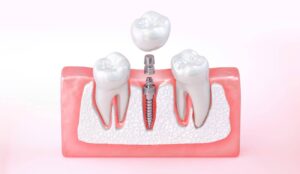
Essentially, endosteal implants are the primary type of dental implants and involve the implantation of titanium posts surgically into the jawbone, so these posts serve as the roots of the missing teeth. After a time when the bone grows together with the implants (osseointegration), the posts make a solid base on which the artificial teeth (crowns, bridges, dentures) are attached.
On top of the fact that these implants are stable, durable and give to the patient the natural-feeling of the new teeth, they also perform the function of bone preservation and can remain for a long time in use.
Who can have an endosteal implant?
Essentially, endosteal implants work best for you if you:
1. Have lost a single tooth or few teeth and want a fixed restoration which is non-removable.
2. Have sufficient bone height and density, or if you do not, and require a bone graft, you take it for granted.
3. Take good care of your mouth and are not suffering from the following conditions: uncontrolled gum disease, heavy smoking, and diabetes that is poorly controlled.
In a case where your jaw is very thin or shallow, your dentist may suggest you different options like subperiosteal or zygomatic implants or advise bone grafting first before the endosteal implant is placed.
It is still a must to carry out daily oral hygiene routines that consist of brushing and interdental cleaning, see your dentist regularly, and avoid smoking or grinding your teeth if you want to keep them in good working condition.
Endosteal implants, if properly taken care of, are a long-term, comfortable, and extremely aesthetically pleasing solution that is very close to the sensation of having your own natural teeth.
Dental Implants Service in Popular Locations
Mini Dental Implants in Richmond
Dental Implants in Ealing
Mini Dental Implants in Ealing
Dental Implants in Hounslow
Mini Dental Implants in Hounslow
Dental Implants in Twickenham
Mini Dental Implants in Twickenham
Dental Implants in Feltham
Mini Dental Implants in Feltham
Dental Implants in Brentford
Mini Dental Implants in Brentford
Dental Implants in Southall
Mini Dental Implants in Southall
Dental Implant Services in Popular Locations
The insights shared in our articles are meant to educate and inform, not to replace a face-to-face consultation. Every smile is unique, and a proper diagnosis can only be made by a qualified clinical professional. Please book an appointment with our team or consult your local dentist for advice tailored to your specific oral health needs.