
How is the Abutment Attached to an Implant?
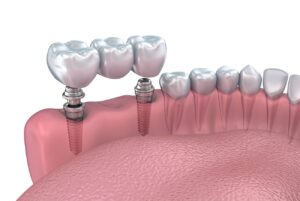
When the titanium implant has combined with your jawbone by osseointegration (normally after a few months), the dentist removes the top of the implant, either by making a small incision in the gum or by taking off a healing cap. A specially made abutment is then selected to match the implant system, position, and shape of the future tooth, and it is placed onto the internal connection within the implant.
In the majority of contemporary systems, the abutment is fixed with the help of a very small abutment screw which goes through the abutment into a threaded channel in the implant body; the screw is tightened to a certain torque so it locks in place and does not move under biting forces. There are some models in which the abutment is glued to the implant or to a screw‑retained framework; however, screw‑retained connections are chosen for retrievability and to prevent problems caused by the excess of cement around the implant.
What is the next step after placing an abutment?
The abutment, once attached, extends a little through the gum and serves as the link to your new crown, bridge or denture. The gum tissue is stitched around (not over) the abutment and the healing time is about two to three weeks during which the soft tissue gets formed into a nice collar that not only keeps the area healthy but also supports the final restoration.
Then, after recovery, impressions or digital scans are made for the fabrication of a custom crown that fits perfectly over the abutment, and this artificial tooth is then either screwed onto the abutment or glued in place, thus finalizing the implant restoration and giving you the ability to bite and chew almost like with a natural tooth.
Dental Implant Services in Popular Locations
The insights shared in our articles are meant to educate and inform, not to replace a face-to-face consultation. Every smile is unique, and a proper diagnosis can only be made by a qualified clinical professional. Please book an appointment with our team or consult your local dentist for advice tailored to your specific oral health needs.