
How Long Should Wisdom Tooth Pain Last?
Wisdom tooth pain… it doesn’t always make an entrance.
Sometimes it’s just a dull ache at the back of your jaw. Barely there. Then, all of a sudden, it’s the thing you notice every time you bite or chew. Meals feel different. Opening wide feels awkward. Even yawning makes you wince.
If it’s mild, it usually calms down on its own—three or four days, sometimes up to a week. And the important part? It should feel like it’s easing, little by little. Softer. Less insistent.
If it doesn’t. If it sticks. Or flares up again and again… that’s when you need to stop and pay attention. Waiting won’t make it better.
Why do wisdom teeth hurt?
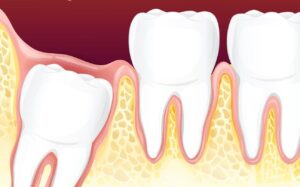
Wisdom teeth are the last molars. They appear way at the back, often where there’s barely enough room. When they try to push through, the gum stretches and gets irritated. Tender, swollen, sensitive. Food hides in the folds. Brushing feels awkward. And the tooth complains in its own way.
Some people feel a short-lived dull ache that goes away on its own. Done.
Others… the tooth comes in halfway, covered by gum. Hard to clean. Pain eases, then returns. That stop-start rhythm is very typical. Frustrating, but normal.
After extraction, the pattern changes again. The first couple of days are usually the worst. Jaw sore. Mouth tender. Then, day by day, it softens. By the end of a week, most people feel a big difference. If sharp pain returns after that, it’s not “normal healing.”
A story you might relate to
Sam came in with a sore jaw and a tooth that “just wouldn’t quit.”
Chewing hurt. Opening wide felt tight. Saltwater rinses helped a little. Painkillers helped a little more. But nothing really fixed it.
We took a look. The wisdom tooth was partly covered by gum, tricky to clean. A careful clean and some simple home care made a noticeable difference within the week. Relief came slowly—but it came.
Months later, short bursts of pain returned. Sam didn’t wait. Chose removal. First couple of days were sore. Expected. After that, every day felt a bit easier. By the end of week two, only mild tenderness remained. That’s it.
That’s a common story. And noticing the pattern early often keeps treatment simpler.
What’s normal—and what’s not
Normal: a dull ache that eases over a few days. Tenderness after removal, improving day by day. Swelling that peaks, then gradually drops.
Not normal: pain that doesn’t shift or gets sharper. Red, hot, swollen gums. Bad taste. Fever. Trouble swallowing.
Pain should drift in the right direction. Softer. Calmer. Not louder.
People often ask me…
“It’s been a week. Should I worry?”
Yes. Early checks are easier than late ones.
“Painkillers help, so I can wait.”
They help you cope. They don’t solve the root cause. Daily reliance? That’s a sign.
“Do I have to get it removed?”
Not always. Some teeth settle with cleaning and care. Others need removal. The only way to know is a proper check.
If the pain keeps you awake, makes meals awkward, or just nags constantly, even understanding what’s happening can feel like a relief. If you’re near Isleworth, Bridge Dental and Cosmetic Studio can take a calm, careful look and talk you through your options—no rush, no pressure.
A few FAQs
- How long does wisdom tooth pain last while coming through?
Usually a few days to a week, as long as it’s easing. - How long does pain last after removal?
3–7 days is typical. Each day should feel a bit better. - When should I worry about the wisdom tooth pain?
Pain lasting over a week, worsening after a few days, or coming with swelling, fever, or bad taste. - What can I do at home for my wisdom tooth pain while waiting?
Warm saltwater rinses. Soft foods. Gentle brushing. Pain relief as directed.
If your wisdom tooth pain feels like it’s overstaying its welcome, don’t guess. A friendly, thorough check at Bridge Dental and Cosmetic Studio in Isleworth can help you understand exactly what’s happening—and plan the next small, sensible step.
Knowing for sure is its own relief.
Dental Implant Services in Popular Locations
The insights shared in our articles are meant to educate and inform, not to replace a face-to-face consultation. Every smile is unique, and a proper diagnosis can only be made by a qualified clinical professional. Please book an appointment with our team or consult your local dentist for advice tailored to your specific oral health needs.