
What Are the Three Types of Dental Implants?
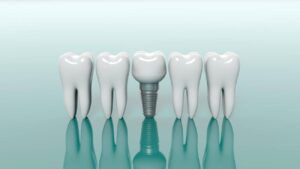
Different types of dental implants, that is three of them, have been invented for different patient needs:
Type Placement Ideal For Complexity
– Endosteal In the jawbone Most patients with healthy bone Low
– Subperiosteal On top of jawbone (under gum) Patients with limited bone density Moderate
– Zygomatic Cheekbone (zygoma), not jaw Severe bone loss (upper jaw) High
1. Endosteal Implants (Most Common)
– Are directly inserted into the mandible, thus mimicking natural roots.
– Composed of titanium or zirconia (in case of metal allergies or for aesthetic purposes).
– They are the most suitable for the majority of patients and allow various implantation options i.e. single, multiple, or whole-arch restorations.
– Advantages: Looks and feels like natural, keeps the property for a long time, helps to preserve bones.
2. Subperiosteal Implants
– The metal framework is placed on or above the alveolar bone, under the mucosa;
– Is a method which is used when the density or height of the alveolar bone is not sufficient and without the possibility of a bone graft;
– Advantages: Less pain and discomfort, can facilitate those who cannot be implanted with endosteal;
– Note: Rarely used today because of advancements in bone grafting and implant alternatives.
3. Zygomatic Implants
– They are fixed to the cheekbone (zygoma) instead of the jaw.
– Are only necessary for patients with severe bone loss in the upper jaw.
– Does not require the invasive procedure of bone grafting; complicated and is best done by a specialist.
– Advantages: Makes the dental implant possible when no other alternatives can be taken.
Implant Material: Titanium vs. Zirconia
– Titanium: It is considered the gold standard due to its outstanding strength and compatibility. More than 90 percent of cases use titanium implants.
– Zirconia: A metal-free, tooth-colored option—intended for those who have allergies or want to keep the aesthetic of the mouth.
The Implant Process
1. Consultation & Planning: 3D scans, health check, personalised treatment plan.
2. Implant Placement: Local anaesthetic; procedure tailored to implant type.
3. Healing & Integration: Osseointegration (bone fusion) is key—takes a few weeks to months.
4. Restoration: Attaching the custom crown, bridge, or denture.
5. Aftercare: Regular hygiene appointments critical for lasting results.
Recovery, Aftercare, and Longevity
1. The majority of patients can resume their regular routines shortly after the healing process.
2. Adhere to the dentist’s directions regarding care and hygiene.
3. If taken care of properly, implants can be very durable and may even stay for a lifetime.
Dental Implants Service in Popular Locations
Mini Dental Implants in Richmond
Dental Implants in Ealing
Mini Dental Implants in Ealing
Dental Implants in Hounslow
Mini Dental Implants in Hounslow
Dental Implants in Twickenham
Mini Dental Implants in Twickenham
Dental Implants in Feltham
Mini Dental Implants in Feltham
Dental Implants in Brentford
Mini Dental Implants in Brentford
Dental Implants in Southall
Mini Dental Implants in Southall
Dental Implant Services in Popular Locations
The insights shared in our articles are meant to educate and inform, not to replace a face-to-face consultation. Every smile is unique, and a proper diagnosis can only be made by a qualified clinical professional. Please book an appointment with our team or consult your local dentist for advice tailored to your specific oral health needs.