
Are Dental Implants Safe for My Long – Term Oral Health
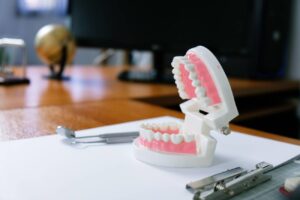
Dental implants are safe and effective for maintaining oral health in the long run provided that you take good care of them and that they are placed by a qualified professional. They are a safe and permanent solution for missing teeth as the titanium post, which is biocompatible, merges with the bone of the jaw, however, like any other dental appliance, implants need to be regularly cleaned and checked to avoid the development of complications such as infection or implant failure.
Long-Term Safety That Is Proven
Implants are strong and reliable as confirmed by research over the decades. The systematic review that was conducted reached survival rates after 10 years close to 96%, with a great number of them lasting even more than 20 years with proper maintenance. Implants on the other hand, do not cause bone loss as it happens in the case of dentures; they actually keep the jawbone active during chewing thus, helping the facial muscles to maintain their structure and the stability of the bite as well as saving the neighboring teeth from grinding or overloading. Oral health decline stops due to implants, according to UK dental centers and international data, hence, they are superior to the alternatives both in terms of function and preservation.
Risks and Complications
Any intervention is not without risk. Biological problems such as peri-implantitis may occur, i.e. the inflammation process which is very similar to gum disease, and this affects the gums as well as the bone if plaque continues to build up, however, the rate of this problem is low and it is quite easy to control it through hygiene. Mechanical issues, for instance, the loosening of the screw or the breaking of the crown, may result from the practice of bruxism or the natural wear of the damaged parts but these episodes hardly ever lead to implant loss.
Among the few risks during surgery are, for example, nerve damage or problems with the sinuses, and this can be reduced through 3D planning; in addition, the chances of infection are small provided that the wound heals well. Those who smoke, diabetics, and people suffering from untreated gum disease are more likely to develop peri-implantitis, however, the process of quitting and undergoing treatment will bring about a drastic improvement in their prognosis.
Who Is Eligible and Maintenance Advice
Perfect candidates for dental implants are those who maintain good overall health, have good control over plaque and do not suffer from periodontitis. Dentists in London very often use CBCT scans to evaluate and locate the exact position.
After the surgical operation, it is recommended to brush with soft toothbrushes, floss every day and follow the dental practitioner’s instructions by visiting him/her every 3-6 months for check-ups and cleaning classes, the evidence shows this drastically decreases the occurrence of complications. Bruxers should use night guards so as to protect their teeth; changes in lifestyle, for example, not smoking, will help extend the life of the implant.
To conclude, dental implants are a better means to preserve oral health in the long run than bridges or dentures and they come with the backing of dependable research and the agreement of the professional community. Make an appointment with a specialist to discuss the risks that apply to you and the maintenance plan that will allow you to enjoy the function of the natural teeth for years to come.