
Can a Wisdom Tooth Cause Earache?
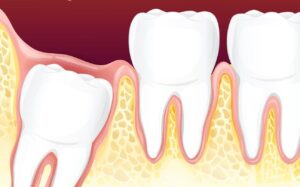
Short answer? Yes, it can.
And it catches a lot of people off guard.
You’ve got this dull ache in your ear. Nothing obvious is wrong. No cold. No infection your GP can see. Yet the pain lingers. Sometimes it fades. Sometimes it flares when you chew. That’s often when a wisdom tooth is quietly involved.
Ear pain, jaw ache, sore gums. They like to travel together. Confusing, I know.
How your wisdom tooth and ear are linked
Here’s what I see all the time.
Wisdom teeth sit right at the back of the mouth. Very close to the jaw joint. Even closer to the nerves that also serve the ear. When a wisdom tooth is pushing through, stuck, or slightly infected, the area becomes inflamed. Tight. Pressurised.
Your brain gets mixed signals.
It reads the discomfort as ear pain, even though the source is the tooth.
That’s called referred pain. Sounds technical. Feels very real. And it’s especially common with impacted or half-erupted wisdom teeth.
A situation patients often describe
Imagine this.
Patient Aman woke up with a deep ache in his right ear. Tried ear drops. No change. By lunchtime, chewing made the pain shoot from the back of his jaw straight into his ear. That evening, his gum behind the last tooth felt swollen and tender.
Classic pattern.
We checked. Partially erupted wisdom tooth. Inflammation underneath. Once treated, the earache settled within days.
That’s the relief moment. The “oh, that makes sense” moment.
Signs it might be your wisdom tooth
Here’s a quick, practical checklist. No guesswork.
You might suspect a wisdom tooth if:
- Pain starts in the jaw or back teeth and travels to the ear
- The gum behind your last molar feels swollen or sore
- Chewing, yawning, or opening wide makes it worse
- There’s a bad taste or bad breath from the back of the mouth
- You feel pressure near the ear, without cold or flu symptoms
If two or more sound familiar, a wisdom tooth is a strong possibility. Worth checking. That’s the kind approach, really.
What to do next (keep it simple)
If you think a wisdom tooth may be causing the earache, here’s a calm plan.
First, take a look.
Use a mirror. Check the gum behind your last molar. Red? Puffy? Tooth just peeking through?
Ease the discomfort.
Warm saltwater rinses help. A few times a day.
Use pain relief as directed.
Try a warm or cold compress on the jaw. Go with what feels better.
Avoid aggravating it.
Softer foods. Less chewing on that side. Give the area a break.
Then, book a dental check.
A dentist can see what’s really happening. Impacted tooth. Infection. Pressure on nearby structures. From there, you’ll know if cleaning, medication, or removal is the best step.
Leaving it too long often leads to repeat infections and worsening pain. That’s the part we try to avoid.
A few common questions
- Can a wisdom tooth cause earache on just one side?
Yes. It usually affects the side where the wisdom tooth is inflamed or impacted. - How long should I try home care first?
If pain lasts more than two or three days—or keeps returning—it’s time to see a dentist. - Is ear pain from a wisdom tooth ever urgent?
Yes. Severe pain, facial swelling, difficulty swallowing, or fever need urgent dental or medical care. - Will treating or removing the wisdom tooth stop the earache?
In most cases, yes. Once the source is addressed, the ear pain settles.
Ready for clarity?
If you’re near Isleworth and wondering whether a wisdom tooth is behind your earache, you can book an assessment with Bridge Dental and Cosmetic Studio.