
How Long Do Full Mouth Dental Implants Last?
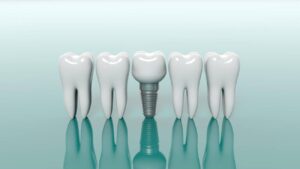
Full mouth dental implants have the potential to live on with you for a whole lifetime, yet the artificial teeth may be necessitated to change every 10 to 15 years as a result of the regular wear and tear. The durability of the implants is influenced by the way they are taken care of, hygienic practices, a person’s overall health, and the quality of the surgery performed.
What Are Full Mouth Dental Implants Actually?
The majority of “full mouth” or “full arch” implant procedures entail the substitution of all the teeth in the upper and/or lower jaw with a few implants that provide the support for the fixed bridge.
1. The main systems consist of “All-on-4”, “All-on-6” or similar full-arch implant bridges.
2. Usually, each jaw contains 4-6 titanium implants in the bone, to which a custom bridge (most commonly zirconia, ceramic, or acrylic) is screwed.
3. The implants (posts) are similar to artificial roots of the teeth, while the bridge or “new teeth” is the part that you see and chew with.
This differentiation is important because the implants and the bridge have different lifespans.
How Long Full Mouth Implants Can Be Used
Results of studies on full arch and general implant cases show that success in the long run is achieved if the cases are planned well and properly maintained.
1. Titanium implant posts: Generally 20-30 years or even more, and for a number of patients, they can last a lifetime provided that there is good bone support and no major complications.
2. Full arch bridge / prosthetic teeth: Most of the time 10-15 years before the point of significant wear, chipping, or staining when the repair or replacement becomes the most suitable option.
3. Overall success rates: Several reports show that 90-95% of the implants are still functioning at the period of 10+ years, with a lot of full arch cases being stable even at 15-20 years.
In real terms, the majority of people are required to have the top teeth maintained from time to time, instead of undergoing repeated surgeries for the implants.
Lifespan Depending on Material and Design
The different bridge materials have different aging processes when subjected to daily chewing loads.
1. Zirconia full-arch bridges: Extremely strong and resistant to chipping; a lot of clinics report that, on healthy implants, zirconia bridges can last far beyond 10-15 years and even up to several decades.
2. Acrylic / hybrid dentures on implants: Less expensive, however, the teeth and the pink acrylic usually wear, stain, or get fractured within approximately 3-5-10 years depending on the habits of the user.
3. Number of implants: The use of 5-6 implants instead of a minimum of 4 per arch can enhance the support and spread the bite forces, thus, helping longevity.
A dentist will decide on the materials and the number of implants by evaluating the bite forces, jawbone quality, and budget.
Key Factors That Impact Longevity
The question of how long full mouth implants can be is not only about the hardware; biology and habits are important as well.
Main positive factors:
1. Top-notch oral hygiene: Proper brushing twice a day, cleaning under the bridge, and using interdental brushes or special floss lessen inflammation and bone loss by getting rid of the plaque and tartar.
2. Regular professional maintenance: 3-6 monthly check-ups and cleanings make it possible to treat early any gum or bite problems that may become implant threats.
3. Non-smoking lifestyle: Smoking substantially elevates the risk of peri-implantitis (gum infection around implants) and thus, failure at the late stage.
4. Stable general health: Good control of diabetes, healthy immune system, and stable medications create the perfect environment for long-term healing.
Negative factors that reduce lifespan:
1. Chronic gum inflammation around implants (peri-implant mucositis / peri-implantitis).
2. Uncontrolled grinding or clenching without the use of a night guard, resulting in the breakage of bridges or overloading of implants.
3. Poor initial planning or surgery, for example, too few implants, incorrect angulation, or insufficient bone support.
If one has the right habits and follow-up, implants may still be very stable after several decades although the bridge will most probably need to be changed later on.
How full mouth implants age over time
Patients usually distinguish various stages during the years.
1. First 1-2 years: The greatest risk period for problems that come early such as poor osseointegration or infection; after this stage, implants that are well-integrated are generally very stable.
2. After 5-10 years: The bone and gums typically adapt; any wear, staining, or small chips on the bridge may become visible and are, most of the time, repairable.
3. After 10-15+ years: The majority of bridges have to be renewed or changed, however, the implants underneath can still be used if the bone levels are good.
Positive feedback, X-rays, and bite analyses performed at each maintenance appointment are the means your dentist uses to keep problems at a minimum and manageable.
Comparing bridges, dentures and full mouth implants
A simple way to understand the value of full mouth implants is to compare them to other full-arch options.
| Tooth replacement | Typical lifespan | Bone preservation | Stability when chewing | Long-term comfort |
| Conventional full dentures | 5–7 years before relines or remakes often needed. | Do not stimulate bone; jawbone gradually shrinks. | Can move or loosen, especially lower denture. | May rub, feel bulky, and affect speech or taste. |
| Implant-retained overdentures (snap-in) | Implants 15–25+ years; denture part often 7–10 years. | Implants help slow bone loss in the areas where they are placed. | More stable than dentures but still removable and can rock slightly. | Usually more comfortable than traditional dentures. |
| Full mouth fixed implant bridge | Implants often 20–30 years or lifetime; bridge usually 10–15+ years. | Best preservation; implants transmit chewing forces into the jawbone. | Feels closest to natural teeth; fixed and very stable. | High comfort, natural chewing and confidence in social situations. |
This is why full mouth implants are usually promoted as a “once-in-a-lifetime” treatment when maintained properly.
How to make full mouth implants last longer
Patients play a huge role in how long their implants last, and daily routines directly influence lifespan.
Everyday home care:
- Brush twice daily with a soft brush around the bridge and along the gumline, plus a low-abrasive toothpaste.
- Clean under the bridge once a day using interdental brushes, floss threaders, or a water flosser as recommended by your dentist.
- Avoid using teeth to open packets and minimise very hard or sticky foods that can chip or stress the prosthetic teeth.
Professional care:
- Schedule regular reviews (often every 3–6 months) for professional cleaning, implant checks, and X-rays when needed.
- Wear a custom night guard if you grind or clench to protect both implants and bridge.
- Address any soreness, swelling, bad taste, or looseness quickly—early treatment can prevent major problems.
Lifestyle:
- Keep smoking to a minimum or ideally stop, as this improves blood flow and reduces infection risk around implants.
Maintain overall health, including diabetes control and a balanced diet to support bone and gum health.