
How Painful is a Dental Implant?
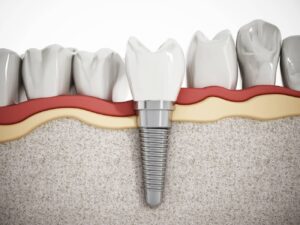
By reason of anesthesia during a dental implant procedure, a patient should not feel pain but only pressure. After the operation, discomfort and swelling for up to 7 to 10 days are part of the healing process and are usually less intense than after a tooth extraction. This small degree of pain can be alleviated with pain medication and should gradually subside.
Most of the time, dental implants are much less painful than people anticipate. The operation is performed under local anesthesia whereby pressure and vibration but no sharp pain are felt, and the majority of pain is experienced later when the numbness disappears.
The area where the implant is placed is thoroughly numbed during the operation and, as a result, most people; compare the discomfort to that of a filling or a simple extraction. You may be aware of sounds of pushing, pulling or drilling, but usually, these are not considered painful. If you are very apprehensive, you can be sedated so that you remain calm throughout the procedure.
After the anaesthetic wears off, a dull ache and tenderness around the implant area are to be expected. The majority of the patients assess this condition as mild to moderate and say that it can be dealt with by the use of prescribed or over-the-counter pain meds following the schedule. Swelling, slight discoloration and stiffness in the jaw or cheeks are at their worst within 24–48 hours and then they get better gradually.
By the time it is day 3 to 5, the pain is usually at a very low level, which can only be felt if a person chews or touches the area. Besides eating soft foods, other things such as chewing on the right side, not drinking very hot beverages, not smoking and not taking alcohol will help you to keep the pain at a minimum. Bone in place of the extracted tooth keeps healing for several months although it can be said that in simple implant cases people even hardly notice it after 7 days.
If after the first few days, a person experiences an intensely painful, throbbing or a pain that gets worse, then he or she is very likely to be infected or to have implant movement or bite problems. Pains that are very severe, swelling that spreads, fever, bad taste or difficulty opening the mouth are some of the symptoms that if seen, the person should immediately contact the dentist for a review and treatment.