
What is a Healing Abutment in Dental Implant Surgery?
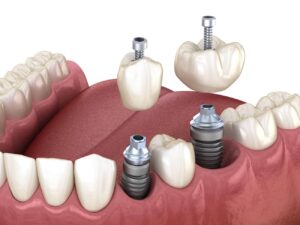
Healing abutment, equally known as a healing cap or cuff, is a screw-shaped part that is fixed to the implant post and gently goes through the gum after the operation. It mainly helps to form the gum into a natural collar around the coming crown, keep the implant safe from plaque and other particles, and provide a firm environment while the implant is joining the bone (osseointegration).
In contrast to the final abutment that permanently supports the crown, the healing abutment is temporary and used only during the healing phase, generally, for several weeks to a few months depending on bone quality and the complexity of the case. The majority of dental offices find it convenient because the procedure of removing the healing abutment and placing the final abutment and crown involves minimal additional surgery.
What should one expect from the healing abutment following implant surgery?
Following dental implant surgery, the healing abutment will in most cases be seen protruding from the gum line; an area that might feel slightly raised or “button-like” with mild soreness or swelling for a few days, which usually subsides with the help of the prescribed pain relief and normal healing process. Patients should maintain cleanliness of the area by carefully brushing around the abutment, using antibacterial mouthwash if prescribed, and not consuming hard or sticky foods from that side while the implant is integrating.
Generally, in most simple cases, the healing abutment remains in the spot, without any interference, until the dentist, upon examination and X-rays, confirms that the implant has fused securely with the bone and then it is taken out and replaced with the final abutment and custom crown. In case the healing abutment is ever found to be loose, painful, or accidentally unscrewed, the patient should immediately get in touch with the dental team so that they can re-secure or replace it and thus avoid irritation or infection around the implant.